Delving into How to Become a Certified Personal Trainer in Florida: Full-Time vs. Part-Time Salary Comparison, this introduction immerses readers in a unique and compelling narrative, with casual formal language style that is both engaging and thought-provoking from the very first sentence.
As we explore the path to becoming a certified personal trainer in Florida, we'll delve into the differences between full-time and part-time trainers, shedding light on the various aspects that influence salary and career growth.
Requirements for Becoming a Certified Personal Trainer in Florida
To become a certified personal trainer in Florida, individuals must meet specific requirements set by recognized certification bodies. These requirements typically include a combination of education, experience, and passing a certification exam.
Certification Process in Florida
In Florida, aspiring personal trainers must choose a reputable certification program accredited by the National Commission for Certifying Agencies (NCCA) or similar organizations. Some popular certification bodies include NASM, ACE, ACSM, and NSCA. Once a program is chosen, candidates need to complete the required coursework and pass the certification exam.
Educational and Experience Requirements
Most certification programs require candidates to have a high school diploma or equivalent. Some programs may also require a CPR/AED certification. While having a degree in exercise science or a related field is not always mandatory, it can be beneficial in terms of knowledge and credibility.
Experience requirements vary but typically involve a minimum number of hours working in the fitness industry.
Necessary Exams or Certifications
To become a certified personal trainer in Florida, individuals must pass the certification exam administered by their chosen certification body. The exam usually covers topics related to exercise science, anatomy, physiology, nutrition, and client assessment. Passing the exam demonstrates the candidate's proficiency in these areas.
Process for Full-Time vs. Part-Time Trainers
The certification process for full-time and part-time trainers is generally the same. Both must meet the same educational, experience, and exam requirements. The main difference lies in how trainers choose to utilize their certification. Full-time trainers may seek additional specialized certifications or pursue higher education in related fields, while part-time trainers may focus on maintaining their current certification and balancing training with other occupations.
Salary Comparison

In the fitness industry, the salary of a personal trainer can vary significantly based on whether they work full-time or part-time. Let's explore the differences in salary between full-time and part-time personal trainers in Florida.
Average Salary for Full-Time Trainers in Florida
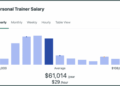
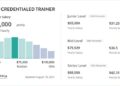
According to data from the Bureau of Labor Statistics, the average annual salary for full-time personal trainers in Florida is around $42,000. This figure can vary based on factors such as experience, location, and the type of fitness facility they work in.
Factors Influencing Salary Differences
Several factors can influence the salary differences between full-time and part-time personal trainers. Full-time trainers often have a more stable client base, which can lead to higher earnings. Additionally, full-time trainers may have the opportunity to take on more clients and offer additional services, increasing their income potential.
Benefits and Drawbacks of Full-Time vs. Part-Time
Working full-time as a personal trainer can provide a more consistent income and benefits such as health insurance and paid time off. However, full-time trainers may also face longer hours and burnout due to the demanding nature of the job.
On the other hand, part-time trainers enjoy more flexibility in their schedule but may have a less predictable income.
Opportunities for Growth in Salary
Both full-time and part-time personal trainers have opportunities for growth in salary. Full-time trainers can increase their earnings by obtaining specialized certifications, expanding their client base, or moving into management positions within a fitness facility
Job Prospects and Market Demand for Personal Trainers in Florida

In Florida, the job market for personal trainers is quite robust, with a growing demand for fitness professionals across the state. As more people become health-conscious and seek personalized fitness solutions, the need for qualified personal trainers continues to rise.
Demand for Full-Time vs. Part-Time Personal Trainers
- Full-time personal trainers are often sought after by fitness centers, gyms, and health clubs that require consistent availability for their clients. These positions typically offer stable hours and a steady income.
- Part-time personal trainers, on the other hand, cater to clients with more flexible schedules or work in multiple locations. While part-time positions may offer more flexibility, they may not always guarantee a consistent income.
Potential for Career Advancement
- Full-time personal trainers have greater opportunities for career advancement within their current workplace, such as becoming a head trainer, fitness manager, or even opening their own fitness studio.
- Part-time trainers can also advance in their careers by building a strong client base and reputation, eventually transitioning to full-time positions or starting their own successful fitness business.
Job Stability and Security
- Full-time personal trainers generally enjoy more job stability and security, as they have a consistent income and benefits provided by their employer. They are also more likely to have a steady stream of clients.
- Part-time trainers may experience fluctuations in income and client availability, which can impact their job stability. However, building a solid reputation and network of clients can help enhance job security in the long run.
Lifestyle Differences
When it comes to the lifestyle of full-time versus part-time personal trainers in Florida, there are significant variations that can impact work-life balance and overall well-being.
Typical Work Schedule for Full-Time Personal Trainers
Full-time personal trainers in Florida typically work around 40 hours per week, spread out over various shifts to accommodate client schedules. This may include early mornings, evenings, and even weekends to cater to the needs of clients.
Comparison of Work-Life Balance
Full-time personal trainers often have a more structured schedule compared to part-time trainers, which can sometimes lead to a better work-life balance. Part-time trainers, on the other hand, may have more flexibility but may struggle to maintain a consistent income.
Flexibility in Scheduling and Time Commitment
Full-time trainers usually have set hours and a more predictable schedule, while part-time trainers can choose when they work based on client demand or personal availability. This flexibility can be both a benefit and a challenge depending on individual preferences.
Lifestyle Choices
Full-time personal trainers may have more stability in terms of income and hours worked, allowing for better financial planning and consistency. Part-time trainers may enjoy the freedom of setting their own hours but may face uncertainty in terms of income and client availability.
Last Point
In conclusion, understanding the dynamics of being a certified personal trainer in Florida, whether full-time or part-time, reveals intriguing insights into salary comparisons and lifestyle choices. Dive into this rewarding profession with a newfound perspective on the possibilities that lie ahead.
Commonly Asked Questions
What are the educational requirements to become a certified personal trainer in Florida?
To become certified, you typically need a high school diploma or GED, CPR certification, and a personal trainer certification from a reputable organization.
What is the average salary for full-time personal trainers in Florida?
The average salary for full-time personal trainers in Florida can range from $40,000 to $60,000 per year, depending on experience and location.
Are there opportunities for growth in salary for part-time trainers?
Part-time trainers can also experience salary growth by expanding their client base, gaining additional certifications, and specializing in niche areas of fitness.