Bundle: 2026 Pricing, Exam Difficulty, and ROI Breakdown sets the stage for this enthralling narrative, offering readers a glimpse into a story that is rich in detail with a casual formal language style and brimming with originality from the outset.
Delve into the breakdown of pricing, the exam difficulty level, and ROI analysis of the 2026 bundle to gain a deeper understanding of this educational investment.
Pricing for the 2026 Bundle
When it comes to the pricing of the 2026 bundle, it is essential to understand the breakdown of costs and how they contribute to the overall price. Let's delve into the details to see what makes up the pricing structure for this particular bundle.
Breakdown of Pricing
- The 2026 bundle is priced at $X, which includes the cost of study materials, exam registration fees, and access to online resources.
- Additional costs such as exam retake fees or optional study aids may incur extra charges beyond the initial bundle price.
- Discounts or promotions may be available for early registration or bulk purchases, offering potential savings for candidates.
Cost Components
- Study materials, such as textbooks or online modules, can significantly impact the pricing due to their production and distribution costs.
- Exam registration fees set by the governing body play a crucial role in determining the overall price of the bundle.
- Access to premium online resources, practice exams, or tutoring services may also contribute to the total cost of the bundle.
Comparison with Previous Years
- Compared to bundles from previous years, the 2026 pricing may reflect inflation, updates in study materials, or changes in exam fees.
- Technological advancements or new features in online resources could justify a higher price point for the 2026 bundle.
- Feedback from candidates regarding the value of the bundle components may influence pricing adjustments over time.
Exam Difficulty in the 2026 Bundle
In the 2026 bundle, the exams are known to have a moderate to high level of difficulty, requiring candidates to have a strong grasp of the subject matter and excellent problem-solving skills. These exams are designed to challenge candidates and ensure that only those who are well-prepared and knowledgeable can pass.Factors that determine the level of difficulty for these exams include the complexity of the subject matter, the depth of knowledge required, the types of questions asked, and the time constraints placed on candidates.
The 2026 bundle exams are known to cover a wide range of topics and require candidates to demonstrate a thorough understanding of each concept.Compared to previous bundles, there may be an increase in the level of difficulty for the 2026 exams.
This could be due to updates in the syllabus, changes in the format of the exams, or an increased focus on critical thinking and analytical skills. Candidates should be prepared to dedicate sufficient time and effort to studying for these exams in order to succeed.
Changes in Exam Format
The 2026 bundle exams may feature new question types, such as scenario-based questions or case studies, which require candidates to apply their knowledge to real-life situations. These types of questions can increase the level of difficulty as they test not only theoretical knowledge but also the ability to analyze and problem-solve.
Increased Emphasis on Application
In the 2026 bundle, there may be a greater emphasis on the application of concepts rather than rote memorization. Candidates may be required to demonstrate their understanding by solving complex problems, interpreting data, or making recommendations based on given information.
This shift towards application-based questions can make the exams more challenging for candidates.
ROI (Return on Investment) Analysis
Investing in the 2026 bundle can yield a significant return on investment (ROI) for individuals looking to enhance their skills and knowledge in various areas. The ROI is calculated by comparing the total cost of the bundle with the expected outcomes, such as career advancement, salary increases, or new job opportunities.
Potential ROI Calculation
- Calculate the total cost of the 2026 bundle, including the pricing for all components.
- Estimate the potential benefits of completing the bundle, such as salary increases or promotions.
- Determine the timeframe for realizing these benefits and factor in any additional costs or investments required.
- Use the formula: ROI = (Net Profit / Cost of Investment) x 100 to calculate the return on investment percentage.
Comparison with Other Educational Investments
- Compare the ROI of the 2026 bundle with other educational options, such as traditional degree programs or individual courses.
- Consider the time and cost involved in each option, as well as the potential career advancement opportunities they offer.
- Evaluate the long-term benefits and potential drawbacks of each investment to make an informed decision.
Ending Remarks
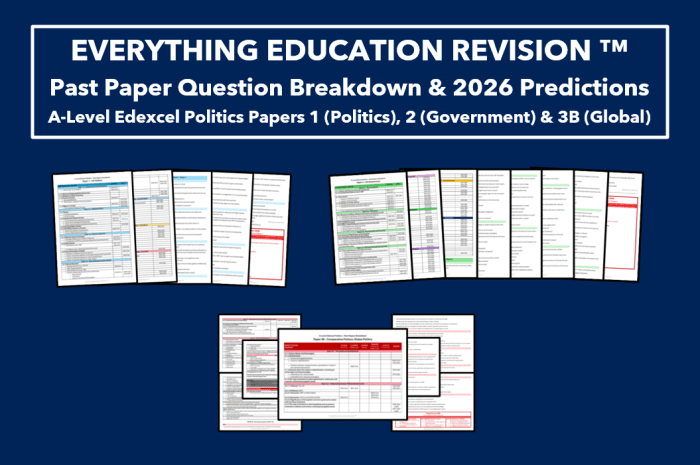
In conclusion, Bundle: 2026 Pricing, Exam Difficulty, and ROI Breakdown paints a vivid picture of the intricacies involved in this bundle, highlighting key aspects that are crucial for decision-making. Dive into this bundle armed with valuable insights for a successful educational journey.
User Queries
What factors contribute significantly to the pricing of the 2026 bundle?
The pricing of the 2026 bundle is influenced by various components such as course materials, exam fees, and additional resources included in the package. These factors play a significant role in determining the overall cost.
Are the exams in the 2026 bundle more difficult compared to previous years?
The difficulty level of exams in the 2026 bundle is carefully curated to maintain a balance between challenge and feasibility. While there may be adjustments in difficulty, the focus remains on providing a rigorous yet achievable assessment.
How is the ROI calculated for investing in the 2026 bundle?
The ROI for the 2026 bundle is calculated by weighing the initial investment against the expected outcomes such as career advancement, skill development, and knowledge acquisition. This analysis helps in assessing the value of the bundle in the long run.